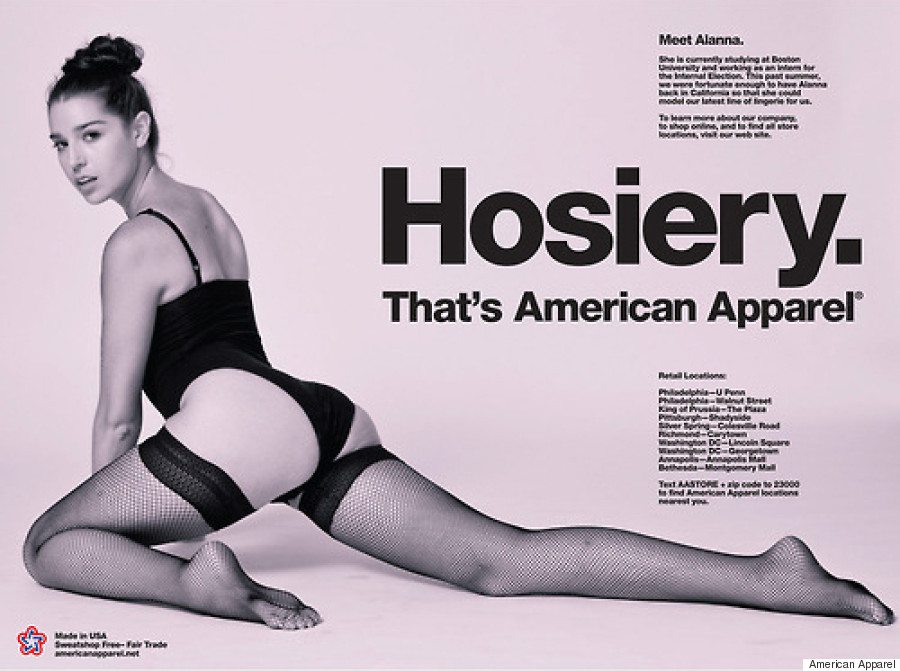
1.) To be a Xicana girl in America means to follow set rules and standards at a young age. To grow up being sorry for being blunt or coming off as mean or being called a "man-hater" for being tired of the constant ignorance coming from them. I grew up in an environment where girls were to follow orders given to them and not ask questions. I was told that if my brother broke something while playing it was just "boys being boys" but when I did the same it was being "irresponsible." It is always putting your feelings aside and what you want to the side because of how you will be perceived. It is men telling you what is and is not sexism despite the fact that they're the ones that created this ideology that women are inferior and that men don't face sexism (I don't care if you disagree.) It is being told you're being annoying whenever you speak for something you're passionate about. It is having your feelings ignored and having to put up with the way boys treated you, because since you were little you were told "If a boy is mean to you it means that they like you" As if that didn't make girls become desensitized to abuse and confuse abuse with love. It's constantly being told "Porque ya dije! Y ya se acabo!"(Because I said so and that is the end!) and having to accept what is being demanded of you without getting the opportunity to ask questions and becoming used to the idea of your voice not being important. If being an American girl in America is hard, being a girl of color is worse. Our struggles are silenced by patriarchal and machistic mentalities of the men in our lives. It's worse when our own have had this mentality engrained into them too. Not having the liberty to be and do what I want, such as have a sex life and be open about it or wearing tight clothes and hanging around guys all the time, because these things determine how much self-respect I have. A constant shaming for everything that is perceived as wrong or not "lady-like." There is more to what being a Xicana girl means to me, but it's too much to write.
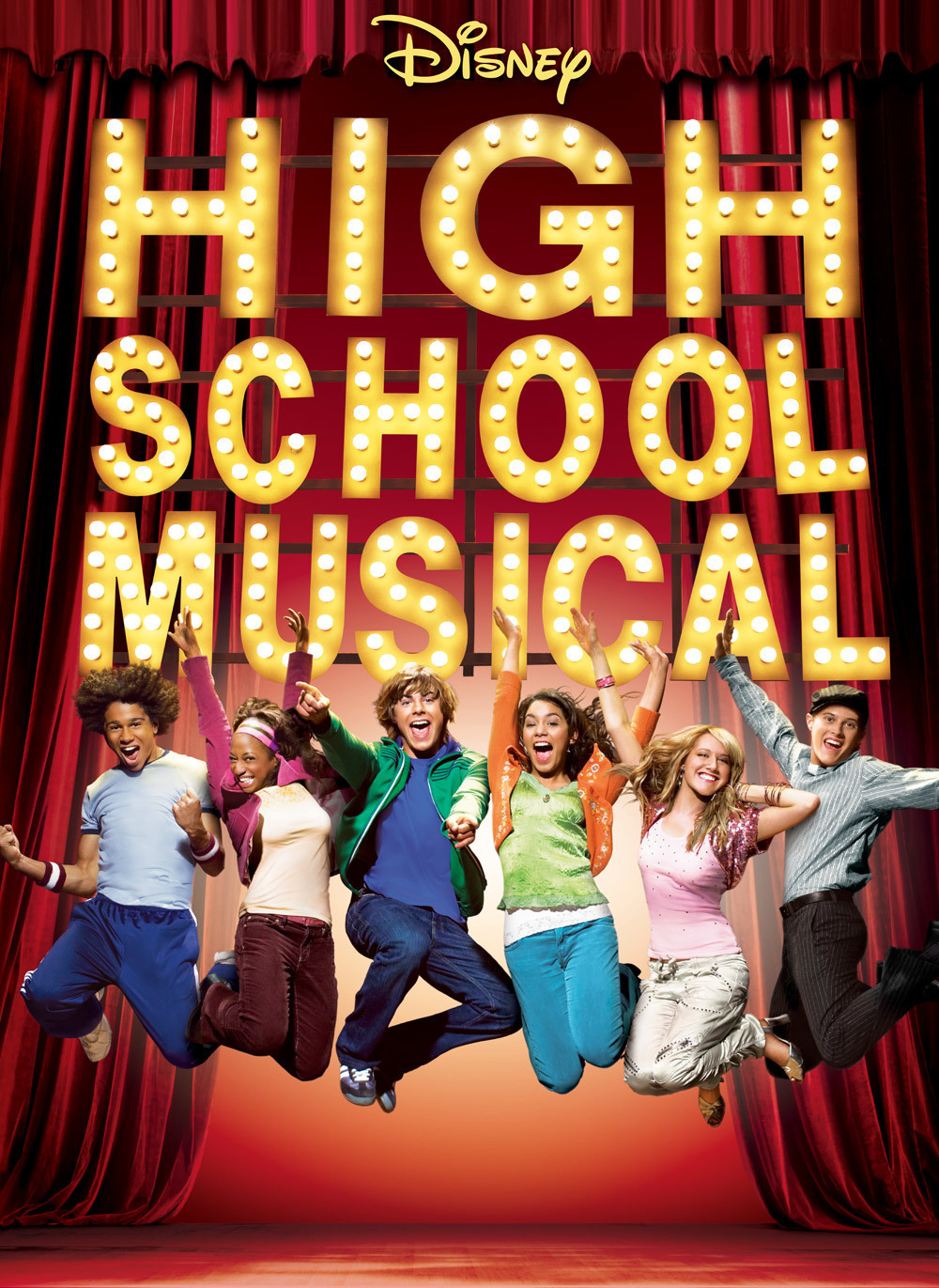
2.) Cultural artifacts that represent girlhood is the color pink. Every.Freaking.Thing that is pink is considered to be for girls and has unnecessary gendering. Princesses and Dolls are another major thing, always considered feminine even if it was Ken. Musicals are considered to be more for girls (not Broadway musicals, I'm talking about Disney Channel musicals.) Makeup is considered to be something only girls should wear. Baking is something that I've also noticed is more often associated with girls. Many simple things such as the ones I listed are cultural artifacts that represent girlhood.
3.) Growing up I did play with Barbie's. I had mostly character ones such as the HSM cast. I mostly played with Bratz dolls though because they were sometimes cheaper and I liked their big heads and replaceable feet, unlike Barbie that always lost her shoes. Bratz had more inclusiveness and that's something I noticed as a child that not many people noticed. Body figure was all kinds of messed up so I liked that. Barbie had more of a "one size fit's all" kind of thing going on. I noticed all my cousins pretty Barbie's were white with blond hair and blue eyes and skinnier than my pencil. I liked playing with dolls that reminded me of me. I also preferred American Girl dolls because they were bigger and looked more like little grown girls than sticks and felt more real to me (even if they were so expensive.) I've always been very observant so when I noticed that about Barbie's I stuck to my Gabriella Montez Barbie and Samantha American Girl and Yasmin Bratz dolls because they looked more like me.